Why Is Google Rejecting Your Winery Updates?
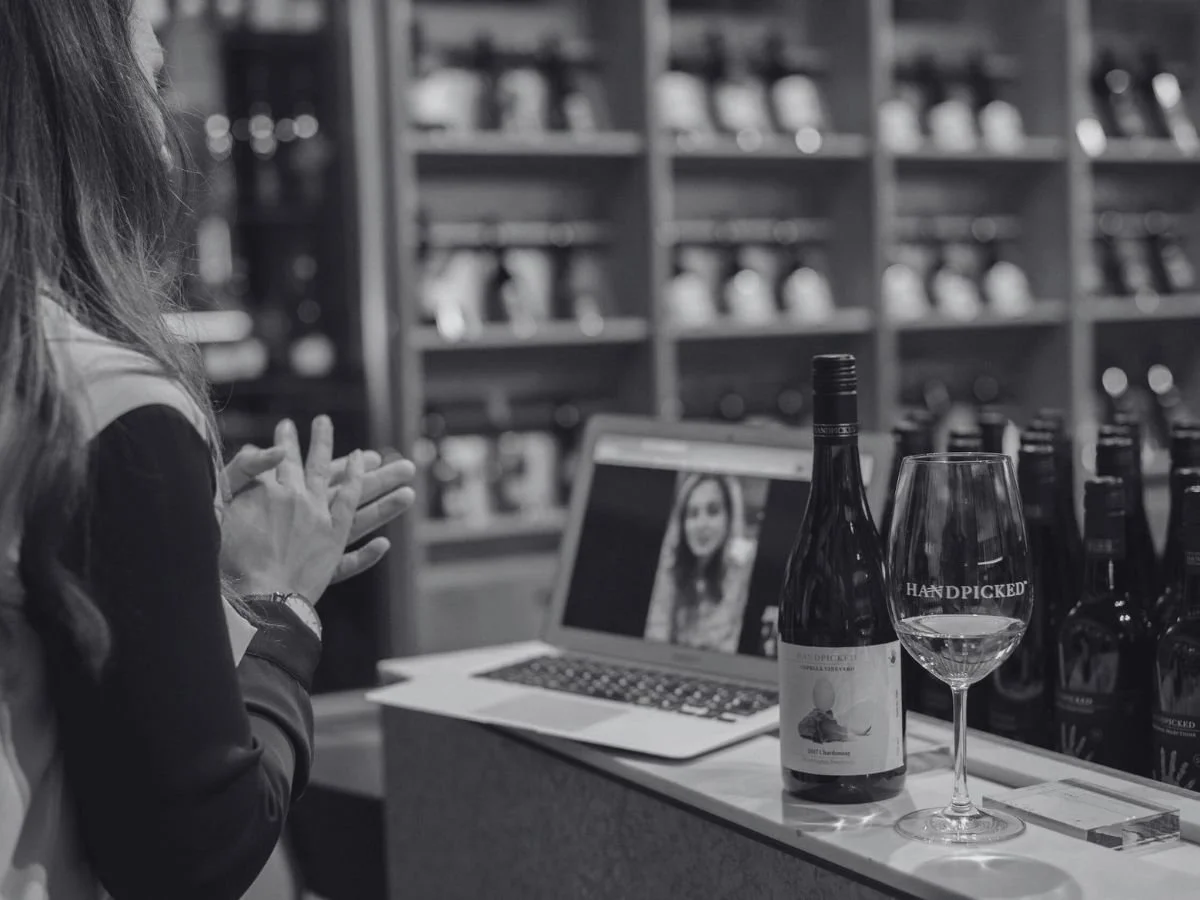
How to bypass alcohol restrictions and reach more customers through Google’s experience-driven features.
If you have attempted to share a promotion or a new event on your Google Business Profile only to see it immediately rejected, you are part of a growing group of frustrated Australian wine producers. Many business owners assume a technical error or an account strike is the culprit behind these failed posts. However, the reality is that Google maintains a strict global policy regarding regulated goods that specifically targets the alcohol industry.
The primary keyword for this discussion is 'Winery Google Business Profile', as understanding its limitations is essential to your digital reach. According to Google’s Business Profile regulated goods policy, Google classifies alcohol as regulated content, meaning any post that features a bottle or drink as the focal point will be flagged and removed. This restriction applies whether you are posting manually or using a third-party management tool to organise your social calendar.
While it feels like a digital brick wall, this policy is intentional and currently offers no path for appeal. You cannot simply ask for an exemption because you are a boutique vineyard or a heritage estate. To maintain a presence on the map, you must stop fighting the "posts" feature and start using the tools Google actually wants you to use.

Why Does Google Block Your Winery Updates?
The platform uses automated image recognition and keyword scanning to identify alcohol-related content. If your update features a close-up of a Shiraz bottle or uses promotional language about wine sales, the system will automatically reject it. Google does not distinguish between a high-end educational tasting and a discount liquor promotion.
Because alcohol falls under the regulated goods umbrella, standard “What’s New” or “Offer” posts are essentially off-limits for wineries, breweries, and distilleries. This global policy ensures Google complies with varying regional laws regarding alcohol advertising. Relying on these posts to communicate with your customers is a losing strategy that leaves your profile looking stagnant and neglected.
Is There a Workaround for Alcohol Restrictions?
There is a highly effective alternative that Google not only allows but actively promotes. The Tours & Activities feature is a separate section of your profile designed for experiences rather than physical products. While Google blocks the sale of a bottle (a product), it encourages the promotion of a wine tasting (an activity) through its Things to do policies.
By shifting your focus from “selling wine” to “hosting guests", you bypass the automated filters that plague the standard updates section. These listings appear in a prominent carousel format on both Google Search and Maps. This visual layout is far more effective at capturing the attention of tourists searching for things to do in regions like the Central Coast or the Hunter Valley.
How Can You Optimise Your Profile Without Posts?
You should maximise every other element of your winery's Google Business Profile to signal relevance to the search algorithm. Start by refining your business description to include local keywords such as ‘wine tasting Central Coast’ or ‘vineyard tours, Sydney’. Ensure your categories are accurate, as being listed as a winery or restaurant unlocks the menu editor, which allows you to list wines available for on-site consumption.
Visual content remains critical, but it requires a strategic shift in subject matter. Instead of product shots of bottles, upload high-quality images of your vineyard landscapes, the interior of your cellar door, and your team in action. Photos that show people enjoying the atmosphere of your venue are generally accepted, provided the wine is part of the background context rather than the sole focus of the image.
For producers looking to dominate their region, a tailored wine estate SEO strategy can help turn this profile visibility into actual cellar door bookings and club sign-ups.
What Role Does Your Website Play in This Strategy?
Your Google Business Profile should function as a gateway that directs high-intent traffic to your own e-commerce website. Your website is the only digital space where Google alcohol restrictions do not apply, provided you have a robust age-gating system in place. A proper 18+ verification screen allows you to showcase your full range, list specific vintages, and run direct-to-consumer promotions.
The most successful Australian wineries use their profile to drive foot traffic and awareness, while their website handles the technical sales and data capture. By integrating your booking system directly into the Tours & Activities section, you create a seamless path from a Google search to a confirmed tasting reservation. This integrated approach ensures that a restriction on one platform does not stunt the growth of your entire business.
How Do You Measure Success on Google?
You must look beyond vanity metrics like total impressions to understand if your profile is performing. Monitor the number of direction requests, direct phone calls, and website clicks originating from your profile. These actions represent real customers who are ready to visit your cellardoor or purchase your wine online.
Tracking the views on your Tours & Activities listings will provide insight into which experiences are resonating most with your audience. If your direction requests remain flat over a ninety-day period, it is a clear sign that your profile lacks the local keywords or visual appeal needed to convert browsers into customers. Consistent monitoring allows you to adjust your strategy based on seasonal trends.
Should You Change Your Strategy for Peak Season?
Wine tourism in Australia is highly seasonal, and your digital activity should reflect the rhythm of the harvest and holiday periods. From October to April, focus on visibility by keeping your Tours & Activities listings up to date and responding to reviews within 24 hours. This is the time when tourists are most active and rely heavily on recent feedback when making travel decisions.
During the off-season, from May to September, pivot your strategy towards building long-term authority. Use this time to audit your website, improve your local SEO citations, and create educational content that builds a deeper connection with your audience. By treating your profile as a year-round asset rather than a tool you only use when you are busy, you ensure a steady stream of traffic regardless of the weather.
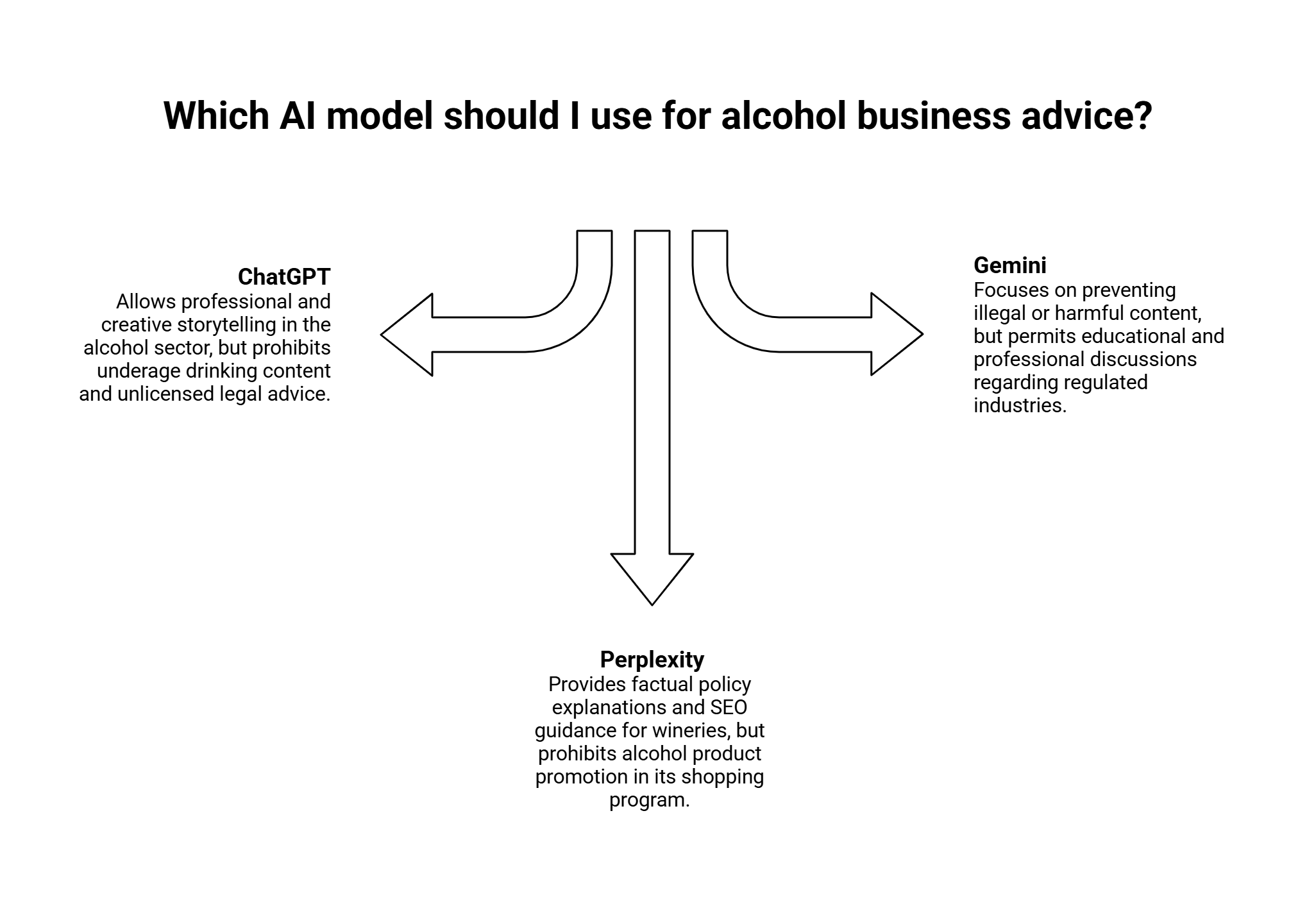
Do AI models like ChatGPT, Perplexity, and Gemini impose Google-style blocks on alcohol advice? Unlike the Google Business Profile interface, which uses automated filters to block alcohol-related content at the point of entry, major AI models do not have a blanket ban on discussing alcohol business strategy or marketing. These platforms operate under broader generative AI safety guidelines rather than local merchant advertising rules.
ChatGPT: OpenAI’s Usage Policies allow for professional and creative storytelling in the alcohol sector. While you cannot use it to generate content that encourages underage drinking or provides unlicensed legal advice (like specific liquor licensing applications without human oversight), you can freely use it to draft brand stories, marketing plans, or social media copy.
Perplexity: While it prohibits the promotion of alcohol products within its “Merchant Shopping” program, it freely provides factual policy explanations and SEO guidance for wineries. It functions as a research tool that allows you to query liquor licensing or marketing strategies without being blocked.
Gemini: Google’s generative AI policy focuses on preventing illegal or harmful content. However, it explicitly permits educational and professional discussions regarding regulated industries. You can use Gemini to draft business plans, legal compliance summaries, or marketing copy for your winery, as long as the content does not target minors or promote irresponsible consumption.
Frequently Asked Questions
Can I run Google Ads for my winery if my posts are being rejected? Yes, you can run Google Ads, but you must adhere to specific alcohol advertising policies. Your landing pages must be age-gated, and your targeting must exclude minors and restricted regions. Ads are an excellent way to gain immediate visibility during peak tourism months when organic competition is high.
What is the fastest way to improve my local search ranking? The most effective “quick win” is to audit and respond to your recent reviews. Google views active engagement as a sign of a healthy, reliable business. Additionally, adding at least three distinct experiences to your Tours & Activities section can provide an immediate boost in how your profile appears in map results.
Why are my photos of wine bottles being removed? Google’s AI prioritises the safety and legality of regulated content. If a photo is tightly cropped on a wine label or appears to be a professional product advertisement, it is likely to be flagged. Aim for lifestyle photography where the wine is a natural part of a social setting or a beautiful landscape.
Do I need a special category to use the Tours & Activities feature? Most businesses in the winery, vineyard, or cellar door categories have access to this feature. If you do not see the option to add a tour or activity, double-check that your primary business category is set correctly and that your physical address is verified via the Google Business Profile dashboard.
How often should I update my Google Business Profile? While you cannot use standard updates, you should refresh your photos monthly and update your Tours & Activities listings whenever your seasonal offerings change. You should also ensure your holiday hours and contact information are always accurate to prevent customer frustration.